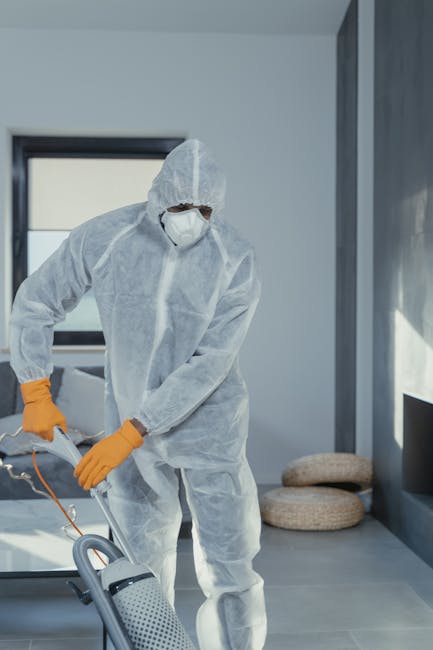
Deep carpet cleaning near Chiswick Park station
If your carpets near Chiswick Park station are starting to look a little tired, you are not alone. Busy foot traffic, muddy shoes on wet London days, pet accidents, coffee spills, and the general pace of everyday life all add up. Deep carpet cleaning near Chiswick Park station is the practical answer when vacuuming and quick spot treatment just are not enough anymore.
This guide explains what deep cleaning actually means, how the process works, when it is worth booking, and what to look for before you choose a provider. It also covers realistic expectations, common mistakes, and a simple checklist so you can make a sensible decision without the guesswork.
Why Deep carpet cleaning near Chiswick Park station Matters
Carpet fibres trap more than visible dust. They hold onto grit, pollen, pet hair, food crumbs, skin flakes, airborne particles, and the sort of fine dirt you only notice when you move a sofa or catch the light just right. Around a station area, that build-up can happen faster than people expect. Commuters step in with wet shoes, visitors come and go, and halls or reception areas can take a pounding.
Deep cleaning matters because it reaches below the surface. A standard vacuum is useful, of course, but it mainly lifts loose debris. Deep carpet cleaning goes further into the pile to loosen embedded soil, treat stains, and refresh the texture. That can make a big difference in homes, rental flats, offices, and communal spaces near the station where carpets work hard every day.
To be fair, many carpets do not look terrible right up until they do. You live with the gradual change, then one day the room just feels dull, slightly stuffy, and less welcoming. That is usually the point where proper deep cleaning starts paying for itself in comfort and appearance.
If you are weighing up a broader refresh, it can also make sense to combine carpet care with deep cleaning for the rest of the property, especially after a busy season, a move, or a long stretch without professional attention.
How Deep carpet cleaning near Chiswick Park station Works
Deep carpet cleaning is not one single method. It is a process made up of inspection, preparation, cleaning, and drying. The exact approach depends on the carpet fibre, the type of dirt, and how heavily used the room is. Wool, synthetic blends, and delicate rugs all need slightly different handling. That part matters more than people think.
In a typical professional visit, the cleaner starts by checking fibre type, stain patterns, traffic lanes, and any problem areas such as drink spills, pet odours, or dark marks near doorways. The carpet is then vacuumed thoroughly and treated with suitable pre-spray or stain solution. After that, one of several methods may be used.
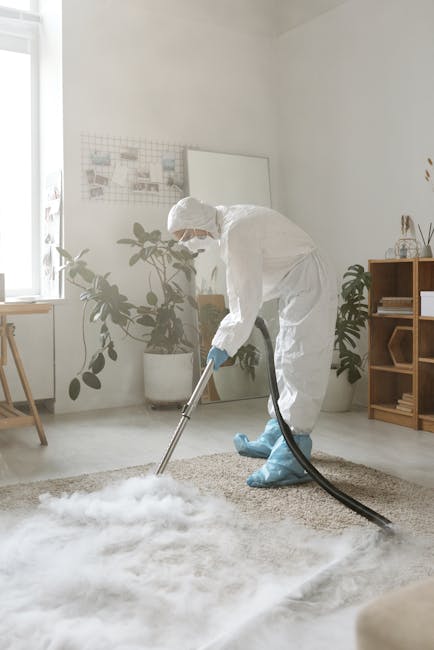
The most common approach for residential carpet cleaning is hot water extraction, often called steam carpet cleaning in everyday conversation. It uses heated water and cleaning solution to break down soil, then extracts the moisture along with the loosened dirt. Despite the name, it is not usually just "steam"; it is more precise than that. Some jobs may use low-moisture techniques, controlled agitation, or targeted stain removal where extraction is not the best fit.
Nearby homes and businesses often choose a service that combines carpet cleaning with focused stain removal, because those two steps work well together when a carpet has a few problem patches rather than uniform soiling.
Drying is the final part, and honestly, it is one of the most overlooked. A good clean should leave carpets only lightly damp, not soggy. Good airflow, sensible heating, and avoiding heavy foot traffic for a few hours help the carpet dry properly and stay fresh.
Key Benefits and Practical Advantages
There is a reason people keep booking deep carpet cleaning instead of hoping the vacuum will magically sort everything out. It delivers benefits you can actually notice in day-to-day life.
- Cleaner appearance: Colours look brighter, patterns show more clearly, and the whole room feels tidier.
- Better hygiene: Embedded dust and grime are removed more effectively than with surface cleaning alone.
- Odour reduction: Deep cleaning can help with stale smells, food odours, and pet-related issues.
- Improved comfort: Softer pile, less gritty texture underfoot, and a more pleasant room overall.
- Longer carpet life: Removing abrasive dirt can reduce fibre wear over time.
- Better letting or handover readiness: Useful before moving out, after tenants leave, or before guests arrive.
For landlords, agents, and tenants, that last one matters a lot. A clean carpet can change the feel of a property from "lived in" to "properly cared for" in a single visit. For office and commercial spaces, the effect is similar. A tidy, fresh floor gives a better first impression than most people realise. It is a small detail, but a meaningful one.
If you need other fabric or floor surfaces refreshed at the same time, it can be efficient to look at related services such as upholstery cleaning or hard floor cleaning, especially when you are trying to restore a whole room rather than just one surface.
Who This Is For and When It Makes Sense
Deep carpet cleaning is useful for more people than you might think. It is not just for obvious disasters or end-of-tenancy panic. In fact, some of the best results come from booking before the carpet has reached a truly bad state.
You are a good candidate if:
- your carpets have visible traffic wear near entrances or hallways;
- you can see spill marks, dark patches, or shadowy lanes in the pile;
- there is a lingering smell after pets, food, or damp weather;
- you are moving in or moving out and want the place to feel properly reset;
- you run a home office, rental property, or small business and need the space to look cared for;
- you have not had a professional clean for a long time, and vacuuming just is not enough anymore.
It also makes sense after renovation dust, which has a habit of settling into soft furnishings no matter how careful everyone was. If the room has seen recent decorating work, pairing carpets with after builders cleaning can be a sensible move rather than trying to chase dust one corner at a time.
There are also times when you might not need a full deep clean. If the carpet is almost new, lightly used, and only needs a tidy-up, a lighter maintenance visit or a regular cleaning schedule may be enough. The honest answer is: it depends on the condition, not just the calendar.
Step-by-Step Guidance
If you are booking a service near Chiswick Park station and want a smooth experience, it helps to know what the process should look like. Here is the practical version.
- Assess the carpet properly. Look for stains, wear, odours, and fibre type. Wool and synthetic carpets behave differently, and that affects method choice.
- Clear the floor area. Move small furniture, toys, loose items, and anything fragile. Some providers can help with light furniture, but it is best not to assume.
- Vacuum thoroughly first. If you are cleaning before a visit, a good vacuum pass removes loose grit and helps the treatment work better.
- Point out problem areas. Show the cleaner the worst marks, pet zones, or places where the carpet smells musty. This saves time and improves the result.
- Choose the right method. Hot water extraction, low-moisture cleaning, or targeted stain treatment may be recommended depending on the carpet and the condition.
- Allow for drying time. Keep windows open if practical, use heating sensibly, and avoid walking on the carpet too soon if you can help it.
- Follow the aftercare advice. A few simple habits after the clean can make the result last much longer.
That last step is where people sometimes slip. They book a decent clean, then immediately drag heavy furniture back across the carpet or let kids race over it with drinks in hand. Human nature, really. But a little patience helps protect the finish.
Expert Tips for Better Results
Over time, the difference between a decent result and a genuinely good one is usually in the small details.
- Test stains before treating them aggressively. Not every mark should be scrubbed the same way. Some stains spread when overworked.
- Use extraction for soil, not force. Scrubbing hard can damage the pile and make the mark look worse.
- Focus on edges and traffic lanes. The centre of a carpet often looks okay while the borders tell the real story.
- Deal with pet odours quickly. The longer urine or odour sits, the deeper it can travel.
- Ask about drying expectations. A proper response should include realistic drying guidance, not vague reassurance.
- Keep up with maintenance between visits. A once-over vacuum a few times a week does genuinely help.
A useful rule of thumb: if a stain is important to you, mention it before cleaning starts. It sounds obvious, but you would be surprised how often the worst spot gets noticed only after the job is done. One quick point at the start can save a lot of faffing.
For families with pets, it can also be wise to look at pet stain and odour removal as a separate concern rather than assuming a general carpet clean will remove all trace of the smell. Sometimes it will; sometimes it will not. Better to be straight about it.
Common Mistakes to Avoid
Deep carpet cleaning is straightforward when done well, but a few common mistakes can limit the outcome.
- Booking only on price. A cheap quote is not useful if the method is wrong for your carpet.
- Assuming all stains are removable. Some marks are permanent, some are heat-set, and some have already damaged fibres.
- Over-wetting the carpet. Too much moisture can slow drying and leave a stale smell.
- Using harsh DIY chemicals first. These can set stains or bleach the pile before the professional even arrives.
- Ignoring the underlay and ventilation. Good drying depends on airflow, not just surface appearance.
- Not checking surrounding surfaces. Curtains, sofas, and rugs often hold onto the same dust and odours.
There is also a subtle mistake people make: waiting until the carpet is badly soiled before acting. Truth be told, carpets are easier to restore when dirt has not been ground deeply into the fibres for months on end. Earlier is usually better. Not always urgent, but better.
Tools, Resources and Recommendations
You do not need to become a carpet technician to prepare well, but a few basic tools and decisions can help.
- Vacuum cleaner with decent suction: Useful before and after the visit.
- Microfibre cloths: Handy for blotting small spills before they set.
- Soft brush or carpet rake: Can help lift the pile gently after drying.
- Furniture sliders or protective pads: Useful when moving items back into place.
- Good airflow: Open windows where possible and keep the room ventilated.
- Clear notes on stains and fibres: Especially useful if you have had previous cleaning or spot-treatments done.
If you want a broader cleaning reset, a local team can also help with related tasks such as rug cleaning, sofa cleaning, or mattress cleaning. That matters because a carpet rarely gets dirty in isolation. Dust and crumbs migrate everywhere. A bit annoying, really.
For anyone comparing service levels or trying to budget sensibly, a useful starting point is the provider's pricing and quotes information. The best quote is not always the lowest; it is the one that clearly explains what is included, what condition assumptions are being made, and whether stain treatment or heavy soil removal is extra.
Law, Compliance, Standards, and Best Practice
For domestic carpet cleaning, there is usually no complicated legal framework the customer needs to decode. Still, good practice matters. A professional service should work safely, use suitable chemicals, and avoid causing damage to flooring, furnishings, or air quality in the property.
In the UK, sensible service delivery generally means clear communication about risks, appropriate insurance, and safe handling of equipment and cleaning agents. If a property has vulnerable occupants, allergy concerns, or shared access areas, the cleaner should take extra care and explain what they are doing. No drama, just careful practice.
For commercial settings, there is an added layer of responsibility. Office corridors, reception spaces, and communal areas need cleaning plans that fit the building's use, access times, and foot traffic. If the space is shared, it is worth considering communal area cleaning or commercial carpet cleaning rather than using a one-size-fits-all domestic approach.
When speaking with a provider, it is reasonable to ask about insurance, health and safety practices, and how they protect floors, furniture, and occupants during the work. A trustworthy business will answer in plain English. If they dodge the question, that tells you something.
You can also check a company's approach to insurance and safety and their published health and safety policy if you want extra reassurance before booking.
Options, Methods, or Comparison Table
Choosing the right method depends on the carpet's condition, fibre type, and how quickly you need it back in use. Here is a simple comparison to help.
| Method | Best for | Strengths | Things to watch |
|---|---|---|---|
| Hot water extraction | Most domestic carpets with embedded dirt | Deep soil removal, strong overall refresh, good for general restoration | Needs sensible drying time; not ideal for some delicate fibres |
| Low-moisture cleaning | Situations needing faster drying | Shorter downtime, useful for lighter soiling | May be less effective on very heavy dirt build-up |
| Targeted stain treatment | Specific spills or isolated marks | Focused approach, good for problem spots | Not a full replacement for deep cleaning when the whole carpet is dull |
| Regular maintenance clean | Homes and offices that stay fairly tidy | Keeps fibres fresher for longer, easier to maintain | Not enough if the carpet already has heavy staining or odour |
In practice, many jobs use a mix. For example, a cleaner may pre-treat a hallway stain, extract the living room carpet, and then give an odour-prone area extra attention. That kind of judgement is what separates decent work from a rushed in-and-out job.
Case Study or Real-World Example
Here is a realistic example from the kind of work people often need near a busy station area. A small flat close to Chiswick Park had a living room carpet that looked broadly fine at first glance, but the owner could not ignore two things: a dark path from the front door to the sofa, and a faint stale smell near the window where a radiator had been running all winter.
Vacuuming had helped with loose dirt, but not with the traffic lane or the odour. The cleaner inspected the pile, identified the likely soil build-up, pre-treated the doorway track, and used a deep extraction method across the room. The stain by the door improved noticeably. The smell softened rather than disappearing instantly, which is a realistic outcome, not a miracle. The owner was happy because the room felt lighter, cleaner, and less tired. That is often the real win.
What made the difference was not fancy equipment alone. It was the sequence: inspection, correct treatment, careful extraction, and enough drying airflow afterward. Simple, but not simplistic.
Practical Checklist
Use this checklist before your appointment, especially if you want the best possible result on the day.
- Identify the worst stains and point them out clearly.
- Move small objects, fragile items, and loose floor clutter.
- Vacuum the carpet before the cleaner arrives if you can.
- Let the provider know about pets, allergies, or delicate fibres.
- Ask which cleaning method is most suitable for your carpet.
- Check whether drying time is likely to be short or more extended.
- Open windows or improve airflow where practical.
- Keep people and pets off the carpet until it is properly dry.
- Use furniture pads or sliders when putting items back.
- Review aftercare advice and keep it simple.
Expert summary: The best deep carpet cleaning near Chiswick Park station is rarely the most complicated one. It is the one that matches the carpet, treats the real problem areas, dries properly, and leaves the room feeling cared for rather than merely rinsed.
Conclusion
Deep carpet cleaning near Chiswick Park station is worth considering whenever a carpet has lost its freshness, picked up odours, or started to show the everyday marks of busy use. Done properly, it restores appearance, improves comfort, and helps your carpets last longer. Done badly, it can leave you with damp fibres and little else. So the details matter.
If you take anything from this guide, let it be this: choose the right method for the carpet, communicate the problem areas clearly, and allow proper drying time. That combination does most of the heavy lifting. Everything else is just good housekeeping, really.
Get a free quote today and see how much you can save.
Frequently Asked Questions
What does deep carpet cleaning actually remove?
It removes embedded dirt, grit, many common stains, dust, and odours trapped deep in the carpet pile. The exact result depends on fibre type, stain age, and how the carpet has been maintained.
How often should carpets be deep cleaned near Chiswick Park station?
There is no single rule for every home or office. Busy households, pet owners, and high-traffic properties usually need it more often than quieter spaces. A good way to judge is by appearance, odour, and how the carpet feels underfoot.
Is steam carpet cleaning the same as deep carpet cleaning?
People often use the terms interchangeably, but not always accurately. Steam carpet cleaning usually refers to hot water extraction, which is one common deep-cleaning method. Deep carpet cleaning is the broader idea, covering several suitable methods.
How long does a deep carpet cleaning appointment take?
It depends on the number of rooms, the condition of the carpet, and whether stain treatment is needed. A single room can be quite quick, while larger or heavily soiled properties will naturally take longer.
How long will the carpet take to dry?
Drying time varies with the cleaning method, ventilation, room temperature, and how much moisture was used. Good airflow and sensible heating help. The carpet should not feel drenched after a professional clean.
Can all stains be removed?
No, and any honest cleaner should say that upfront. Some stains have permanently altered the fibres or backing, while others may have been set by heat or previous DIY treatment. The goal is improvement, not magic.
Do I need to move all my furniture first?
Usually not all of it, but smaller items and clutter should be moved out of the way. Light furniture may sometimes be shifted as part of the service, but always confirm this in advance rather than assuming.
Is deep cleaning safe for wool carpets?
It can be, provided the correct method and products are used. Wool is more sensitive than many synthetic carpets, so fibre identification matters. A careful inspection should come before any cleaning starts.
What should I do if I have pet odours in the carpet?
Tell the cleaner clearly where the problem is and how long it has been there. Pet-related issues often need specific treatment, not just general cleaning. In some cases, a targeted odour service is the better option.
Is deep carpet cleaning worth it before moving out?
Yes, especially if the carpet is visibly marked, smells stale, or has high-traffic wear. A cleaner carpet helps the whole property feel more presentable and can reduce avoidable disputes over condition.
Can I combine carpet cleaning with other services?
Absolutely. Many people combine carpet cleaning with services like upholstery cleaning, mattress cleaning, or a broader one-off clean. That can be more efficient and gives the property a more complete refresh.
How do I choose a reliable local provider?
Look for clear communication, sensible advice about methods, straightforward pricing information, and visible attention to safety and insurance. If the answers are vague, that is usually a sign to keep looking.