Oven and kitchen cleaning prices Chiswick W4 what to know
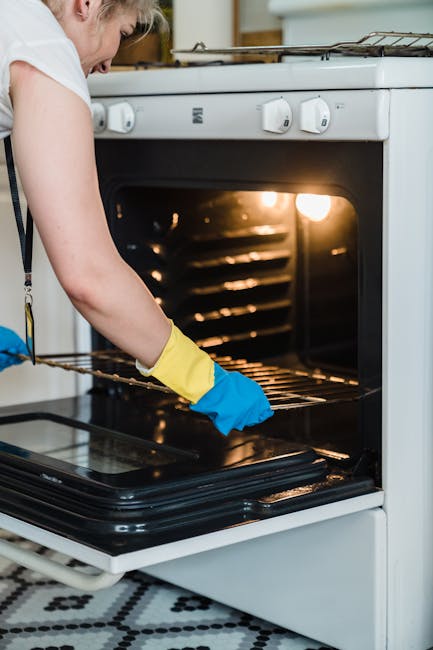
If you are comparing oven and kitchen cleaning prices in Chiswick W4, you are probably trying to answer two things at once: what should a proper clean cost, and what should you actually get for the money? Fair question. Pricing can look simple on the surface, but once you factor in grease build-up, cooker type, number of appliances, and the condition of the kitchen, the numbers can move around quite a bit.
This guide breaks it all down in plain English. You will learn what affects pricing, how professional cleaning usually works, where value can be found, and what to check before you book. We will also cover common mistakes, sensible comparisons, and a practical checklist so you can make a decision without second-guessing yourself later.
To keep your search efficient, we will also point out a few useful related services where they naturally fit, such as oven cleaning, deep cleaning, and one-off cleaning. Those pages can help if your kitchen needs more than a quick tidy.
Why oven and kitchen cleaning prices in Chiswick W4 matter
Kitchen cleaning is one of those jobs that looks straightforward until you start moving things. A little splash on the hob can hide a lot of grime underneath. The oven door may look fine, but the racks, fan, seals, and trays tell a different story. That is why price matters: not because you should always choose the cheapest option, but because a sensible price usually reflects the time, labour, and detail level required.
In Chiswick W4, people often want a clean that fits around busy workdays, family life, flat inspections, or a move. If you are getting ready for guests, preparing a rental property, or simply trying to reclaim your Saturday afternoon, understanding pricing helps you avoid a rushed or under-specified job. And let's face it, nobody wants to pay for a "deep clean" and then find burnt-on grease still clinging to the oven side panels.
Price also matters because kitchens vary so much. A compact studio kitchen is not the same as a larger family kitchen with multiple appliances, extractor hoods, and built-up limescale around taps and sinks. If a quote seems unusually low, ask yourself what is actually included. That one question can save a lot of annoyance later.
For homeowners and tenants alike, a clean kitchen can also support other tasks. A proper kitchen clean often pairs well with regular cleaning or a more intensive house cleaning visit when the whole property needs attention. Different jobs, same end goal: a place that feels manageable again.
How oven and kitchen cleaning pricing works
Most cleaning providers price oven and kitchen work based on a mix of the following factors: size, condition, time on site, and the amount of detail required. That sounds obvious, but in practice it means two homes on the same street can have different costs because one kitchen only needs a freshen-up while another needs serious degreasing.
A typical professional approach starts with an assessment of the main surfaces and appliances. The cleaner may look at the oven type, hob material, splashbacks, extractor hood, cupboard fronts, sink area, and visible grease levels. If the job involves just the oven, the price can be simpler. If the whole kitchen needs work, the quote may reflect the extra scope.
Some services charge per appliance, especially for ovens, hobs, microwaves, and extractors. Others price by the room or by the level of service. A one-off kitchen refresh may be different from a full deep clean that also covers skirting boards, switches, door handles, and hard-to-reach grease spots. If you want broader coverage, it is worth looking at domestic cleaning or one-off cleaning as part of the decision.
In real life, the difference often comes down to time. A lightly used oven with a bit of residue may take far less work than one that has not been properly cleaned in months. The same goes for a kitchen with visible cooker splash, sticky cabinet handles, and a greasy extractor filter. That extra labour shows up in the quote, and usually fairly so.
One thing to remember: a professional clean is not just about making things shiny. It is about removing built-up grime in the places you do not want to deal with yourself. The smell of baked-on grease, the sticky film on cupboard doors, the dull patches on chrome fittings - those are all time-consuming to remove properly. That time has value.
Key benefits and practical advantages
There is a practical reason people book oven and kitchen cleaning, and it is not just about appearances. A well-cleaned oven and kitchen can make day-to-day cooking less irritating. Food smells are less likely to linger, surfaces feel easier to wipe down, and you do not have to keep avoiding that one stubborn patch on the oven door that seems to mock you every evening.
Here are the main advantages people usually notice:
- Better hygiene: grease, food residue, and spills are removed more thoroughly than in a routine wipe-down.
- Less effort later: once a kitchen is deeply cleaned, everyday maintenance becomes easier.
- Improved appearance: shiny hobs, cleaner handles, and clearer oven glass make a big difference.
- Longer-lasting surfaces: reducing heavy build-up can help protect finishes and fittings over time.
- Better move-out presentation: useful before inspections, tenancy handovers, or property photos.
There is also a small but real emotional benefit. A clean kitchen changes how a home feels. You notice it when you walk in first thing in the morning and the sink is clear, the hob is not sticky, and the room does not carry that stale cooking smell from last night. It is a tiny reset, but a meaningful one.
If your kitchen is part of a bigger refresh, it may make sense to bundle related work such as hard floor cleaning or even window cleaning so the whole room feels finished rather than half-done.
Expert summary: The best value is rarely the lowest price. It is the quote that clearly explains what is included, matches the condition of your kitchen, and leaves you with a result you do not need to "finish off" yourself.
Who this is for and when it makes sense
Oven and kitchen cleaning services are useful for a surprisingly wide range of people. Some call only when the job has become impossible to handle at home. Others book regularly because they would rather keep on top of things than let grease build up into a weekend-eating project.
This service often makes sense if you are:
- moving out or moving in and need a stronger clean than your usual routine
- preparing a rental property for inspection or handover
- hosting guests or relatives and want the kitchen looking genuinely fresh
- running a busy household where everyday cleaning has slipped a bit
- dealing with stubborn build-up around the oven, hob, extractor, or cupboards
- looking for a one-off reset after builders, a long trip, or a period of illness
For landlords and tenants, the timing matters. A kitchen that looks acceptable at a glance can still fail the smell test or feel grubby up close. That is especially true in rental properties where previous cooking habits may have left layers of residue in odd places. If you are nearing the end of a tenancy, combining kitchen work with end of tenancy cleaning can be a practical move.
For Airbnb hosts or short-let operators, turnaround time is another factor. The kitchen has to look ready quickly, and a neglected oven can create a poor first impression before the guest has even unpacked. In that setting, a scheduled clean is often less stressful than a rescue job. Much less, actually.
Step-by-step guidance
If you want to understand what a good service should look like, it helps to think of the process in stages. That way, you can compare quotes more confidently and avoid paying for vague promises.
- Identify the exact scope. Decide whether you need oven-only cleaning, a full kitchen clean, or a broader home clean. Be specific about appliances and surfaces.
- Check the condition honestly. Heavy grease, burnt-on residue, and neglected extractor filters take longer to clean. A clear description helps avoid surprise add-ons later.
- Ask what is included. Does the quote cover racks, trays, doors, seals, hobs, splashbacks, cupboard fronts, and the extractor hood? Or just the visible areas?
- Choose the right timing. Book when the kitchen can be left unused for a few hours if needed. If it is part of a move, schedule it close to the final handover.
- Prepare the area. Remove food, loose items, and fragile objects from worktops and cupboards nearby. It saves time and keeps the visit focused.
- Review the finish. Once the job is done, check the most visible trouble spots: oven glass, handles, corners, and the hob edges.
In a typical home, the cleaner may spend the most time on the oven interior, the hob, and the grease-trap areas around the extractor or nearby tiles. The work can look simple from the doorway, but once the door is open and the sunlight hits the grease, well... the truth appears fast.
If your kitchen also needs a broader refresh across the home, it is often worth discussing deep cleaning as a complementary option. That is especially useful where dust, grease, and everyday mess have spread beyond the cooking zone.
Expert tips for better results
A few small decisions can improve both the result and the value you get from the service. These are simple things, but they matter more than people think.
- Be precise about the condition. If the oven has not been cleaned for a year, say so. If the extractor is sticky, mention that too.
- Ask for a written scope. This avoids confusion about whether cupboard fronts, skirting boards, or internal shelves are included.
- Group related tasks where sensible. Cleaning the oven alone while the hob, splashback, and floor remain greasy can feel unfinished. A slightly broader scope often gives better visual impact.
- Choose timing carefully. If you cook daily, plan the clean after a period when the kitchen can rest. It keeps the finish nicer for longer.
- Do light prep beforehand. Clearing the sink, removing loose utensil baskets, and taking magnets or notes off the fridge front can save real time.
A practical tip from day-to-day experience: if you know the kitchen is overdue, do not wait until the day before a house viewing or tenancy checkout. That is when everyone gets stressed, and stressed people make odd decisions. Book ahead if you can.
For homes with pets, family traffic, or lots of cooking, it may also help to pair kitchen work with pet stain odour removal or stain removal elsewhere in the property if smells or marks have spread. Not always necessary, but sometimes the broader picture matters.
Common mistakes to avoid
People often focus on the headline price and miss the details that determine whether the clean is actually good value. That is where things go sideways. A cheaper quote can become expensive in frustration if it excludes the bits you care about most.
- Assuming all oven cleaning is the same. It is not. Single ovens, range cookers, and heavily soiled appliances are different jobs.
- Not checking exclusions. Some quotes cover the oven but not the hob, extractor, or splashback.
- Booking too late. This is common before moving day and tends to create panic pricing or poor scheduling.
- Leaving the kitchen cluttered. Extra clutter means more time shifting items around, which can affect the final scope.
- Choosing on price alone. A very low quote may mean limited attention to detail or a rushed visit.
Another mistake is expecting a deep kitchen clean to fix worn or damaged surfaces. Cleaning can transform grime, but it cannot restore peeling laminate, heat damage, or scratched enamel. That sounds obvious, yet people still hope for miracle work. Fair enough, we all like a miracle now and then.
Tools, resources and recommendations
You do not need a huge toolkit to prepare for oven and kitchen cleaning, but a little organisation helps. A cleaner can work faster and more effectively when the space is ready.
Useful things to have on hand before the visit include:
- a clear worktop or staging area for removed items
- access to hot water and power if needed
- basic cloths or paper towels for quick drying afterwards
- good lighting so the result can be checked properly
- a plan for pets or small children if doors or appliances need to stay open briefly
If you are comparing providers, it can help to review the company's wider service pages too. For example, pricing and quotes can help you understand how costs are usually approached, while payment and security is useful if you want reassurance about how transactions are handled. Those pages are practical, not flashy - which is exactly what many people want.
You may also find related services useful if the kitchen is part of a larger house reset. Depending on the property, house cleaning, move in cleaning, or move out cleaning can create a much more complete finish.
Law, compliance, standards, or best practice
For most domestic customers, the main concern is not a complex regulation issue. It is whether the service is carried out safely, sensibly, and with respect for the property. That said, best practice still matters. Reputable cleaners should use suitable products for the surfaces involved, follow safe working methods, and avoid damaging seals, finishes, or electrical components.
In a rental or managed property, cleaning often intersects with tenancy expectations, inventory standards, and the general duty to leave the property in a reasonable state. The exact obligations depend on the situation, so it is wise to check the terms that apply to your own home or agreement rather than assuming one universal rule. The same cautious approach applies to commercial kitchens, where expectations can be more formal and the hygiene requirements tighter.
Safety is another important point. Cleaning around ovens, hobs, and extractor fans can involve heat, grease, and moisture. Good practice means switching appliances off, allowing hot surfaces to cool, and using appropriate products rather than improvised mixtures. That may sound basic, but basic is good when you are dealing with a hot oven and slippery residue.
If you want to understand a provider's general approach to safety, insurance, and customer care, it is worth looking at their health and safety policy and insurance and safety information. Those details do not make the clean shinier, but they do tell you a lot about professionalism.
Options, methods, or comparison table
Not every kitchen needs the same kind of clean. Sometimes you just need a targeted oven service. Other times, a full kitchen deep clean is the better buy. Here is a simple comparison to help you think it through.
| Option | Best for | What it usually covers | Typical decision point |
|---|---|---|---|
| Oven-only clean | Busy households with a single appliance problem | Oven interior, door, racks, trays, and related residue | Choose this when the rest of the kitchen is already in decent shape |
| Kitchen-only clean | Homes with greasy surfaces but a manageable oven | Worktops, hob, sink area, splashbacks, cupboard fronts, visible grease spots | Good if the room looks tired but the oven is not the main issue |
| Full deep clean | Move-ins, move-outs, seasonal resets, neglected kitchens | Oven, kitchen surfaces, hard-to-reach spots, and broader detail work | Best when the whole room needs a proper refresh |
| Part of a wider home clean | Whole-property resets | Kitchen plus selected rooms or surfaces | Useful when the kitchen is just one part of a larger job |
There is no single right choice. A small flat with a clean hob and grimy oven might need only one thing. A family home after months of busy cooking could need the lot. The trick is matching the service to the problem, not the other way around.
Case study or real-world example
Here is a realistic example from the kind of scenario many Chiswick W4 residents recognise. A couple booked a clean before moving out of a two-bedroom flat. The oven looked acceptable at first glance, but the inside had a thick layer of baked-on residue, the hob was greasy, and the extractor filter had not been touched in ages. They had originally asked for a general clean, then realised the kitchen would probably be the one room everyone inspected closely.
After reviewing the scope, they chose a more targeted kitchen clean rather than a very broad home service. That turned out to be the sensible route. The cleaner could focus on the high-impact areas first: oven glass, racks, hob edges, cupboard handles, and the splashback behind the cooker. The result was not just cleaner looking, but calmer. The room smelled fresher, the surfaces reflected light properly, and the flat felt more ready for handover.
The important part here is not the dramatic transformation. It is that they made the decision based on the actual condition of the room, not just on a headline figure. That is usually how the best-value bookings happen.
If a kitchen is part of a larger property turnaround, similar thinking applies to after builders cleaning or communal area cleaning where the goal is to bring multiple spaces back into a presentable state without wasting money on the wrong service.
Practical checklist
Use this quick checklist before requesting a quote or confirming a booking:
- Decide whether you need oven-only, kitchen-only, or a broader clean.
- List every appliance and surface you want included.
- Note any heavy grease, burnt-on residue, or awkward access issues.
- Ask what is included in the price and what counts as extra.
- Check whether the cleaner uses suitable methods for your appliance type and surfaces.
- Make sure the kitchen can be accessed without clutter.
- Confirm timing if you are moving, hosting, or preparing for an inspection.
- Review the company's safety, insurance, and payment information if that matters to you.
- Look at whether a wider service, such as deep cleaning, would give better value.
- Leave time after the clean to inspect the details properly.
A small note, but a useful one: the best quotes are usually the ones that ask good questions first. That is a sign the job will be priced properly rather than guessed at.
Get a free quote today and see how much you can save.
Conclusion
When you are comparing oven and kitchen cleaning prices in Chiswick W4, the real question is not only "how much?" but "what am I getting for that amount?" A sensible price should reflect the size of the kitchen, the condition of the oven, the level of grease build-up, and the amount of detail included in the job.
Once you know how pricing works, it becomes much easier to separate genuine value from a vague, bare-bones offer. That means fewer surprises, better results, and a kitchen that feels properly reset rather than half-finished. And honestly, that is what most people want at the end of a long day - not perfection, just a clean room that feels like a relief.
Take your time, ask the right questions, and choose the service that fits the actual job in front of you. A good clean can make the whole home feel lighter. It really can.
Frequently Asked Questions
What affects oven and kitchen cleaning prices in Chiswick W4?
The biggest factors are the size of the kitchen, the type of oven, how much grease or burnt-on residue is present, and whether you want a simple oven clean or a wider kitchen clean. Access, timing, and any extra appliances can also influence the price.
Is oven cleaning usually priced separately from kitchen cleaning?
Often, yes. Many providers price oven cleaning per appliance, while kitchen cleaning may be priced as a room-based or scope-based service. If you want both, it is worth asking for a combined quote so you can compare properly.
What should be included in a proper oven clean?
A proper oven clean typically covers the oven interior, door glass, racks, trays, removable parts, and grease build-up around accessible areas. Some services may also include the hob or extractor, but that should be confirmed in advance.
How do I know if I need a deep clean rather than an oven-only clean?
If the oven is the only problem, oven-only cleaning may be enough. If the hob, cupboard fronts, splashback, handles, and floors also look tired or greasy, a deeper kitchen clean usually gives better value and a better visual result.
Are lower prices always a bad sign?
Not always, but very low prices can mean a narrower scope, less detail, or extra charges later. The better question is whether the quote clearly explains what is included and whether it matches the condition of your kitchen.
How long does a professional kitchen clean usually take?
It depends on the size and condition of the kitchen. A lightly used kitchen can be quicker, while heavy grease or neglected appliances take longer. A good cleaner should be able to explain the likely time once they understand the scope.
Can I book kitchen cleaning as part of a move-out clean?
Yes, and that is often a sensible choice. If you are leaving a property, combining the kitchen with end of tenancy cleaning or move out cleaning can help make the handover easier.
Should I prepare my kitchen before the cleaner arrives?
Yes. Clearing surfaces, removing loose items, and making access easy helps the cleaner spend more time on the actual cleaning. It is a simple step, but it often makes the visit smoother and more efficient.
Is it worth cleaning the extractor hood at the same time?
Usually, yes. Extractor hoods collect grease and dust that can affect the look and feel of the whole kitchen. If it is included in the quote, cleaning it at the same time is often better value than leaving it for later.
What if my kitchen has stains or odours beyond normal grease?
If there are stubborn stains or lingering smells, mention them when requesting a quote. In some cases, a broader service such as stain removal or pet stain odour removal may be useful elsewhere in the property, though not every kitchen issue needs that level of intervention.
How can I compare quotes fairly?
Compare what is included, not just the headline price. Check whether the oven, hob, extractor, splashbacks, and cupboard fronts are covered, whether VAT or extra charges apply, and whether the service fits the condition of your kitchen.
Is there a good time to book kitchen cleaning?
Yes. The best time is usually before a move, before guests arrive, or when the kitchen has reached the point where regular wipe-downs are no longer enough. If you can plan ahead, you will usually get a calmer experience and a better result.
For a more complete home refresh, you might also explore domestic cleaning or one-off cleaning depending on how much of the property needs attention. Small decision, big difference sometimes.